"Make Tea While the Sun Shines"
- Helen Smith
- Jul 25, 2020
- 3 min read
Catch and Store Energy
In the wildlife part of my garden I noticed that some rosebay willowherb or 'fireweed' (Chamaenerion angustifolium) had seeded itself.

It was being enjoyed by throngs of bees and if I had taken notice of the distain of the RHS who brand it a ‘troublesome garden weed’ I would no doubt have ripped it straight out and thought no more about it. I chose instead to undertake some research into its properties. It is indeed beneficial to pollinators and the pith and young leaves are said to be edible and the fluffy seeds can be used as tinder to start fires which along with it appearing as a pioneer plant after a fire is probably where its common name 'fireweed' originated. However, it was when I came across recipes for a Russian ‘Ivan tea’ made by fermenting the plant that I got really excited. Apparently, back in the late 19th Century it was more popular rival to the classic black tea we drink now.
I love tea and I love fermenting so I just had to give it a try.
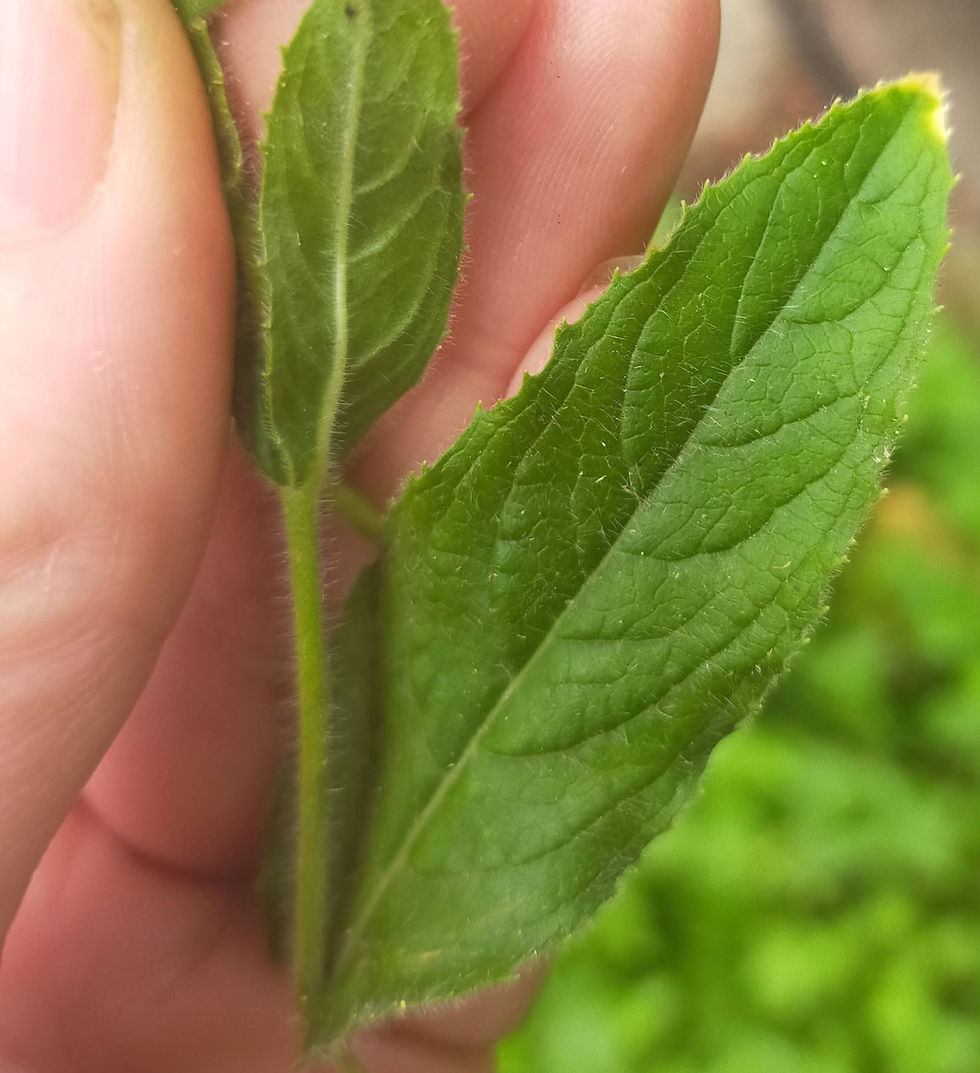
Firstly I had to identify the plant. This is possible even before it has reached its ultimate height (up to about 5 feet so it's hard to miss) and gained spires of pretty pink flowers as there is one handy tell-tale sign; the leaf veins loop around before reaching the edges of the leaf. It gets its other common name from the fact that its leaves are long and thin like the willow.
Please read the appendix and don't rely soley on this information for identification.
Recipe for Russian Rosebay Willowherb Tea (also known as Fireweed/Ivan/Koporye tea)
1. I harvested the leaves (I picked some of the flowers as well as they really add to the visual appeal of the tea but not all recipes seem to use them).

2 I left them loosely covered with a tea towel to wilt. Many recipes say overnight but you need to use your judgement as they can wilt in a few hours on a particularly hot day.
3 I bruised the leaves to extract the moisture, by simply rolling about 5 leaves at a time between my palms until they darken in colour considerably (I managed to rope my daughter in to help with this bit). It smelt beautifully fresh and ‘grassy’ although it looked rather mushed up.

5. I placed the dark leaves and flowers in a bowl covered with a tea towel out of direct sunlight turning them over a few times a day when I was passing and checking its aroma.

6. I repeated until the aroma has changed from ‘grassy’ to ‘sweet’. Some people to leave it overnight while other people recommended a few days. I opted for the second option to give it the best chance.

7. I set the oven to 100 degrees centigrade spread the tea on to a baking tray and dehydrated for 45 minutes. Turning the leaves over at 15 minute intervals to ensure they dries evenly.

8. The tea is said to get better with time at least a few weeks if not months but I couldn’t resist trying a little and, although it could have been a darker colour, it smelt and tasted surprisingly good.

9. I have stored the rest in a jar.
I am really looking forward to drinking it on cold winter evenings so I can have a little taste of the summer to remind me of sunny days.
Appendix -The boring but important bit; be a responsible and safe forager!
1 Never pick a plant that you are not 100% certain you can correctly identify it and know it is edible.
2 Never harvest near a road or other source of pollution.
3 Only take a fraction of what is available.
4 Ensure you have permission to forage on the area.
Your own garden is the best place to start in my opinion as you can easily grab your copy of a good identification book such as Richard Mabey's classic 'Food For Free' and take your time. You can also watch the plant grow through its various phases and see the development from young plant, to flowering and fruiting.You also know if any chemicals have been used.


Comments